Year round comfort. Clean indoor air throughout
Passiv Haus is a relatively new set of design principles for thermal performance. It treats a home as an engineered system, with measurable targets for airtightness, heat loss and indoor air quality. We design and build to its principles in Perth, and have it certified when it makes sense for the brief.
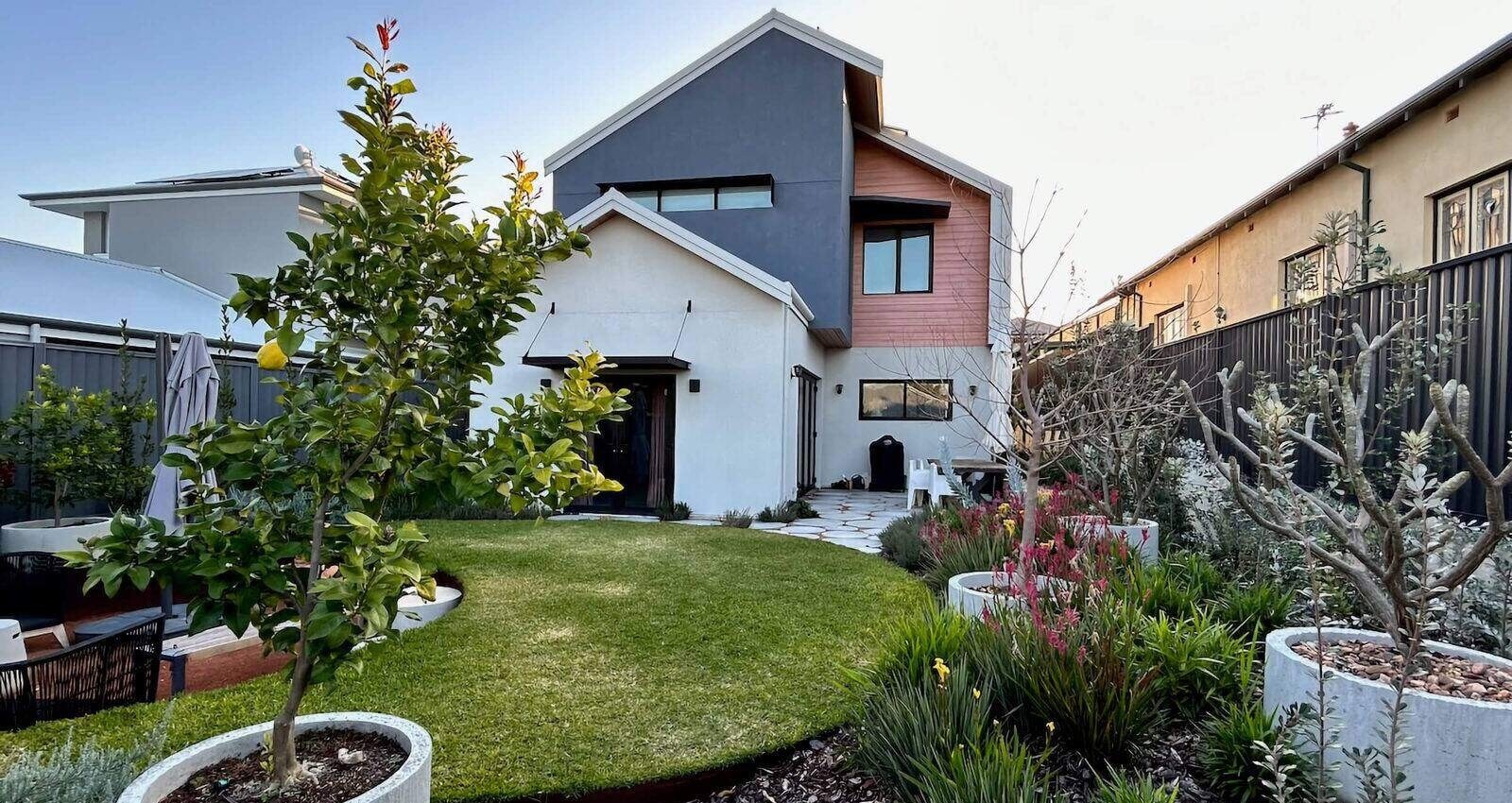
A building standard, not a building style
Passiv Haus does not dictate how a home should look. It defines how it should perform. Any architectural language can sit underneath it. What sets it apart is the testing. A Passiv Haus is modelled, built and verified against measurable targets.
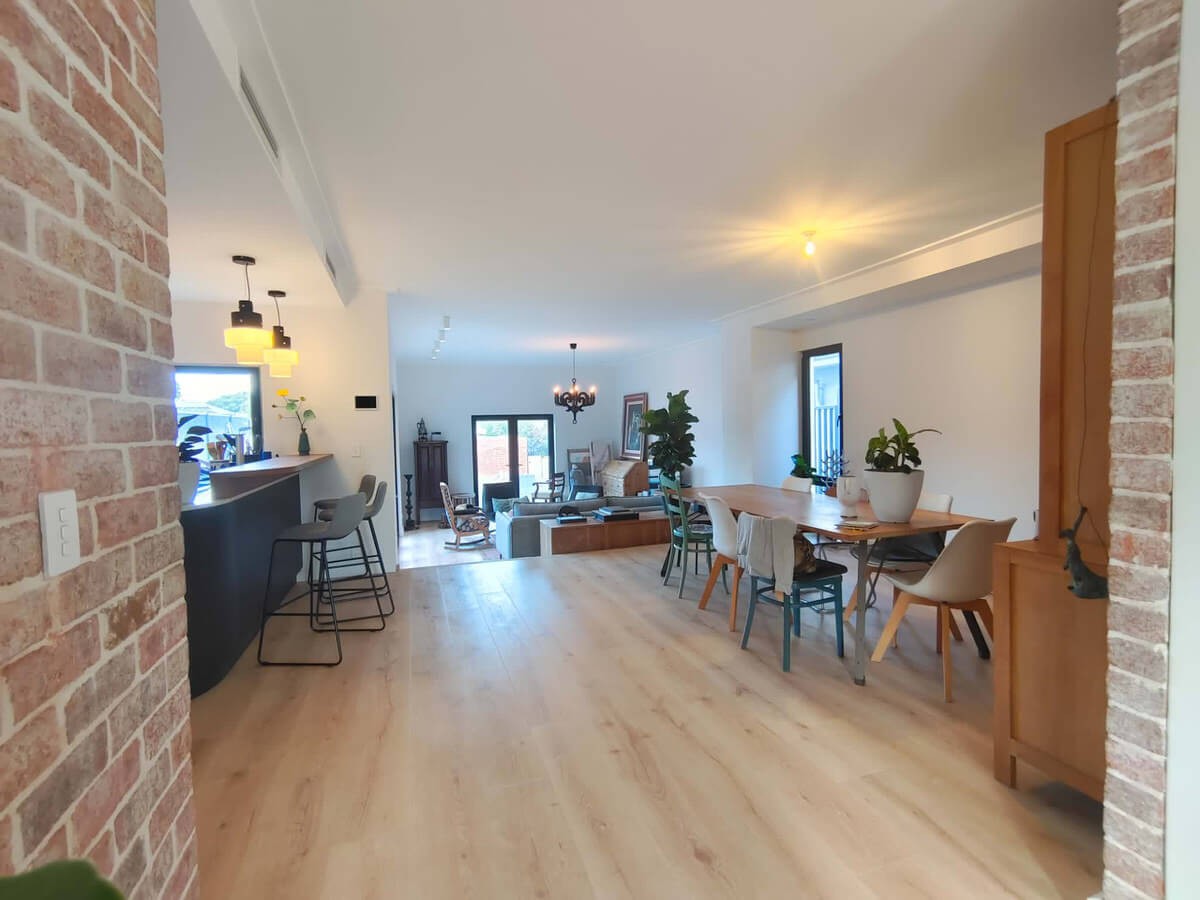
The standard sets a hard ceiling on heating and cooling demand, an airtightness target verified by blower door test, and an upper limit on the time the home can sit outside its comfort range each year.
The five core principles are continuous insulation, an airtight envelope, high-performance windows and doors, mechanical ventilation with heat recovery, and the elimination of thermal bridges. Each one is specified, modelled and tested.
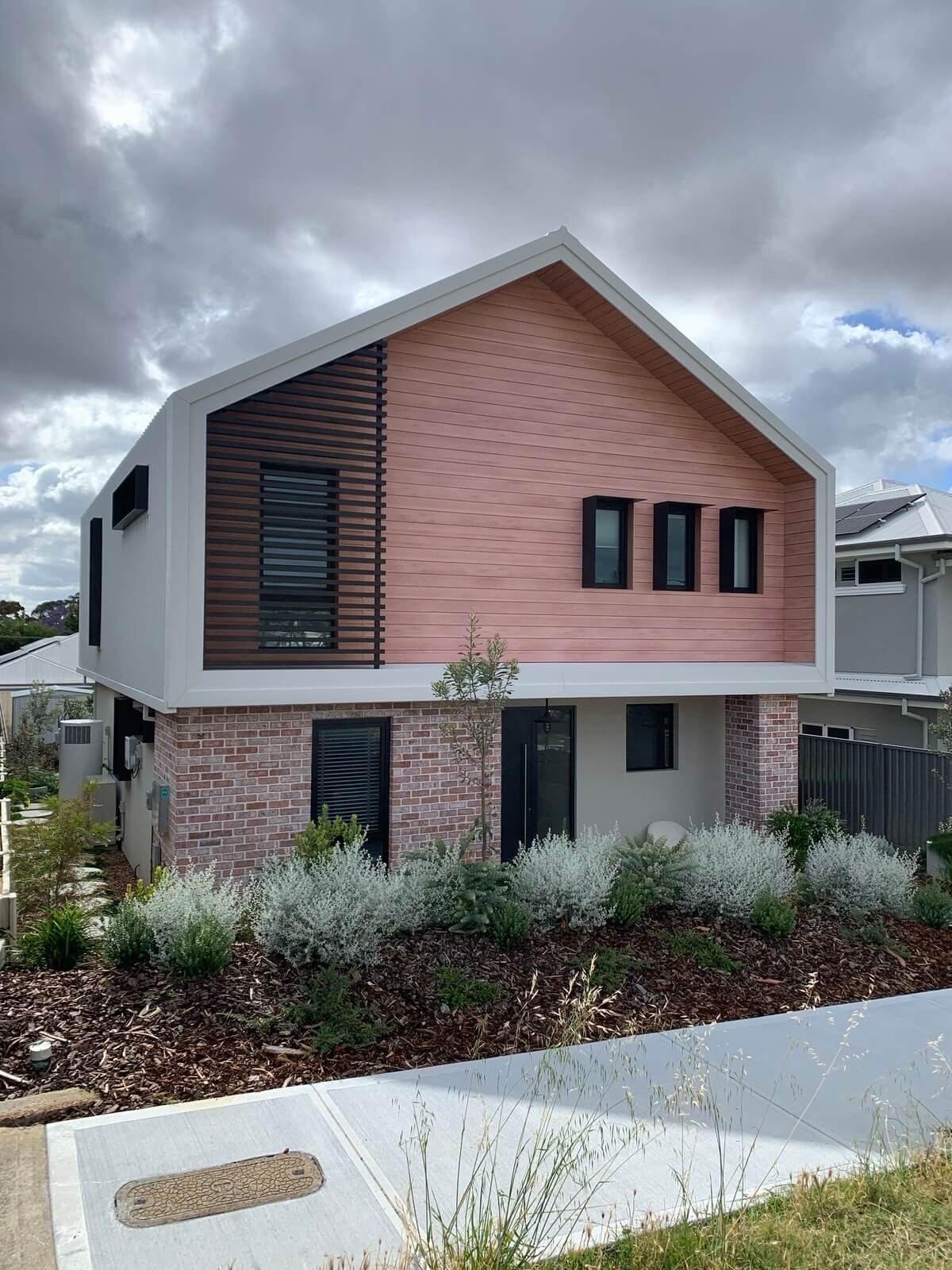
The result is a home that holds a stable, comfortable temperature in any season, with a fraction of the heating and cooling energy a standard home requires, and air quality that is consistently fresh.
Five principles, tested and verified
Passiv Haus is engineered, not aspirational. Each principle is specified at design stage and verified during construction.
Continuous insulation
An unbroken thermal blanket around walls, roof and floor. No gaps, no shortcuts for heat to find.
Airtight envelope
The whole building is sealed against uncontrolled air movement and verified by blower door test.
High-performance glazing
Triple-glazed windows with insulated frames, specified for the orientation of each opening.
Mechanical ventilation
Continuous fresh filtered air, with up to 90 per cent of the heat from outgoing air recovered.
No thermal bridges
Junctions and details are designed to eliminate the cold or hot spots that bypass insulation.
What stable indoor temperature actually looks like
Indicative indoor temperature across a typical Perth February week. The standard home swings with the outdoor air. The Passiv Haus stays inside its comfort range without intervention.
Indicative only, modelled on a typical Perth summer week with no active heating or cooling. Real performance depends on orientation, glazing area, internal loads and occupancy.
The honest answer for a Perth climate
Passiv Haus was developed in central Europe for cold, heating-dominated winters. Perth is a different brief. We have hot summers, mild winters and a strong sea breeze. The standard still works here, but the way it is applied changes.
Solar shading, summer overheating, glazing specification and ventilation strategy all need to be tuned for our climate, not copied from a European specification. This is a design discipline, not a kit.
For most Perth briefs, a passive solar home with reverse brick veneer delivers the best balance of comfort, lifestyle and cost. For clients who want absolute performance, allergy control or a quiet, sealed indoor environment, full Passiv Haus is the answer.
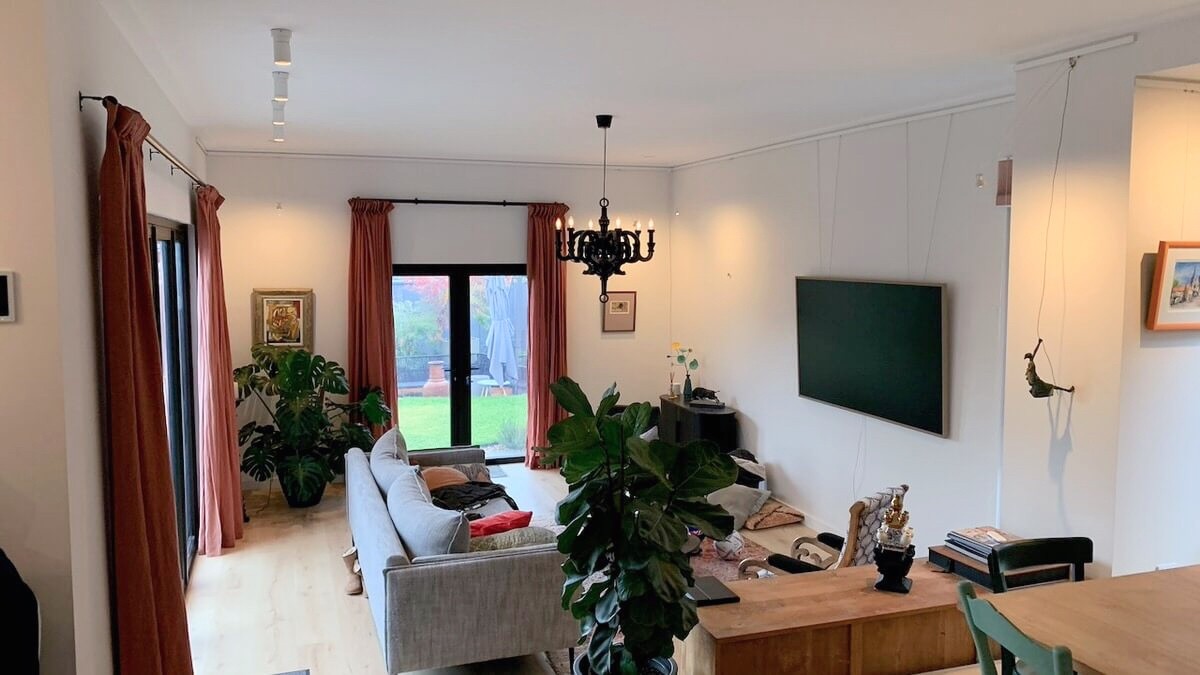
Yes, you can open the windows
One of the most common myths about Passiv Haus is that the windows are sealed shut. They are not. A Passiv Haus has the same operable windows and doors as any other home, designed for cross ventilation when you want it.
The mechanical ventilation system runs in the background to deliver continuous filtered fresh air. On a perfect spring day, you switch it off and open the home up. On a thirty-eight degree afternoon or a smoky summer evening, you close up and let the system do the work.
This is not a sealed box. It is a home that gives you the choice of when to engage with the outside, instead of forcing it on you.
How the three approaches compare
A side-by-side view of standard double brick, passive solar with reverse brick veneer, and a full Passiv Haus build in Perth conditions.
| Standard build | Passive solar + RBV | Passiv Haus | |
|---|---|---|---|
| Typical NatHERS rating | 6 to 7 stars | 8 to 10 stars | 8 to 10+ stars, subject to spec |
| Heating and cooling demand | Baseline | Significantly reduced | Minimal, when certified |
| Airtightness | Not tested | Tighter than standard, not certified | Verified by blower door test |
| Ventilation | Open windows and exhaust fans | Cross ventilation, optional MVHR | Continuous mechanical ventilation with heat recovery |
| Indoor temperature stability | Tracks outdoor temperature | Stable through most of the year | Stable year-round, certified within range |
| Build cost premium | Baseline | Modest | Higher, due to certification, glazing and detailing |
| Best suited to | Lowest first cost | Most Perth lifestyles and briefs | Allergy sensitivity, absolute performance, quiet sealed environment |
Built to Passiv Haus principles
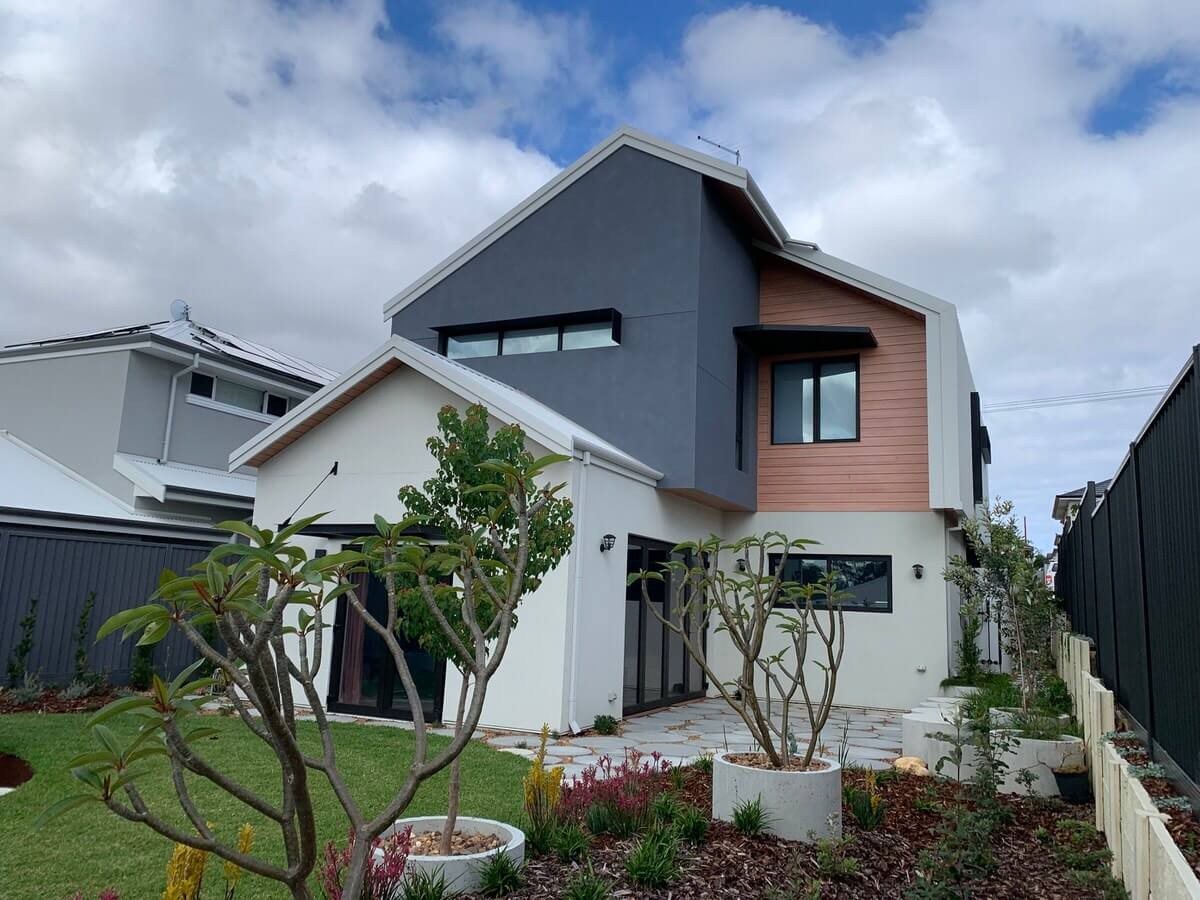
Mt Hawthorn was designed and built to Passiv Haus principles. A more recent certified Passiv Haus build is also complete and we will feature it here once photography is finalised.
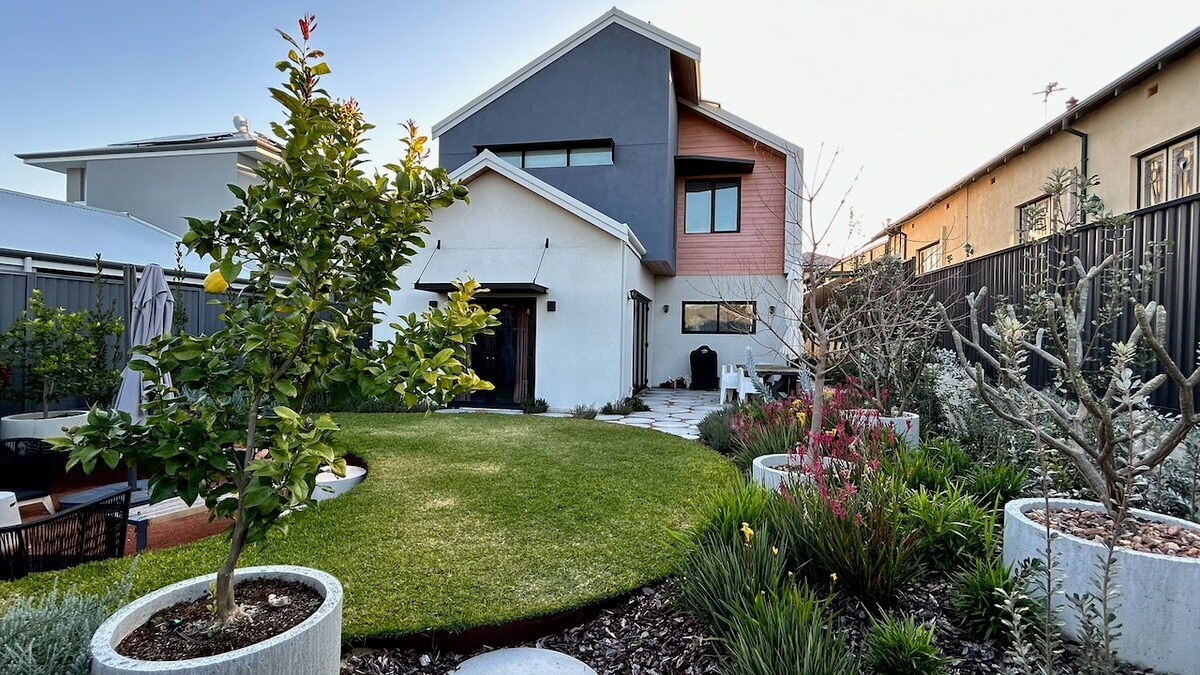
Norde Homes' most recent certified Passiv Haus build has just completed. Photography is in progress and will be added to this page when ready. In the meantime, please get in touch if you are interested in building a Passiv Haus.
Common questions about Passiv Haus
The questions we hear most from people considering a Passiv Haus build in Perth.
Yes, but the design has to be adapted. The standard was developed for cold winters, so in Perth the focus shifts toward managing summer overheating, solar shading and ventilation strategy. Specification choices like glazing, orientation and shading are different from a European Passiv Haus, but the principles still apply and the comfort outcomes are the same.
A certified Passiv Haus typically costs more than a passive solar home with reverse brick veneer, primarily because of the airtightness work, triple glazing, mechanical ventilation system and certification process. The premium varies by project and is something we discuss honestly during the early design conversations. For most Perth briefs, passive solar with RBV gets you the majority of the comfort benefit at a lower build cost.
No. Many of our clients build to Passiv Haus principles without pursuing formal certification. The performance still benefits from the same envelope, ventilation and detailing decisions. Certification adds rigour, third-party verification and a guaranteed performance outcome, which matters to some clients more than others.
The opposite. The mechanical ventilation system delivers a continuous supply of filtered fresh air at a steady rate. Most clients report that the air quality is noticeably better than a standard home, particularly during smoke, pollen or dust events. Humidity is managed by the design of the system, not by the building leaking.
Passive solar design is a set of principles built around orientation, thermal mass and natural ventilation. It is open to the outdoors. Passiv Haus is a certified standard built around a sealed envelope, controlled mechanical ventilation and verified performance targets. They share principles but operate as different systems. We build both, and help you decide which suits your brief.
Considering a Passiv Haus?
Tell us about your block and how you want to live in your home. We will let you know whether full Passiv Haus or a passive solar approach is the right fit for your project.
Get in touch